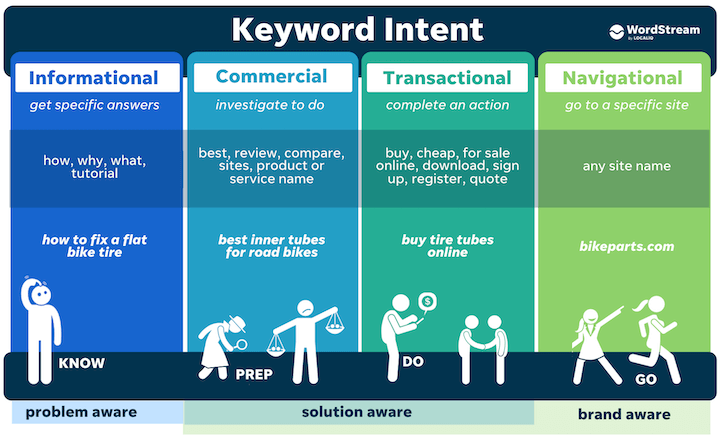
Understanding User Expectations: What Do Users Really Want?
In today's digital landscape, understanding user expectations is crucial for delivering a satisfactory online experience. Users are increasingly demanding not only relevant content but also seamless navigation and quick loading times. A study of user behavior reveals that what users really want includes personalized experiences, mobile responsiveness, and intuitive design. As a result, businesses must prioritize user-centric approaches to meet these expectations and enhance engagement.
To effectively cater to user needs, it is essential to consider diverse factors that influence their expectations. This includes listening to user feedback, analyzing website analytics, and leveraging user insights gained from A/B testing. Additionally, providing clear and concise information, easy access to support, and a transparent privacy policy can significantly improve user satisfaction. Ultimately, by understanding and addressing these key elements, businesses can foster long-term relationships with their audience and achieve greater success.
Top 5 User Desires That Shape the Digital Experience
In the fast-evolving landscape of digital experiences, understanding user desires is crucial for businesses striving to create engaging platforms. The top five user desires that shape the digital experience include:
- Personalization: Users increasingly seek content and services that cater specifically to their interests and preferences. Personalized experiences enhance user satisfaction and drive engagement.
- Convenience: Instant access to information and seamless navigation are paramount. Users favor platforms that reduce friction and streamline processes, allowing them to achieve their goals with minimal effort.
Additionally, the following user desires play a significant role in shaping the digital landscape:
- Security: With rising concerns about data privacy, users desire secure digital environments. Trust is a key factor in user experience, motivating companies to invest in robust security measures.
- Accessibility: Inclusivity in digital design is essential. Users advocate for interfaces that are easily navigable by all, regardless of ability, ensuring that digital experiences are available to the widest audience possible.
- Engagement: Finally, users want interactive experiences that foster connection. Engaging content, social features, and community-building tools enhance user loyalty and satisfaction.
Are We Meeting User Needs? A Deep Dive into User Expectations
Understanding whether we are meeting user needs is essential for the success of any digital platform. User expectations have evolved significantly over the years, influenced by factors such as technological advancements, increased access to information, and the rise of social media. To truly gauge if we are aligning our offerings with what users seek, we must delve into several critical aspects, including usability, accessibility, and content relevance. By assessing these components, we can gain insights into how well we are fulfilling user demands and identify areas that require improvement.
This exploration can be broken down into several key categories:
- Usability: Is your website or application intuitive and easy to navigate?
- Accessibility: Are individuals with disabilities able to fully engage with your content?
- Content Relevance: Does your content answer the questions and concerns of your target audience?