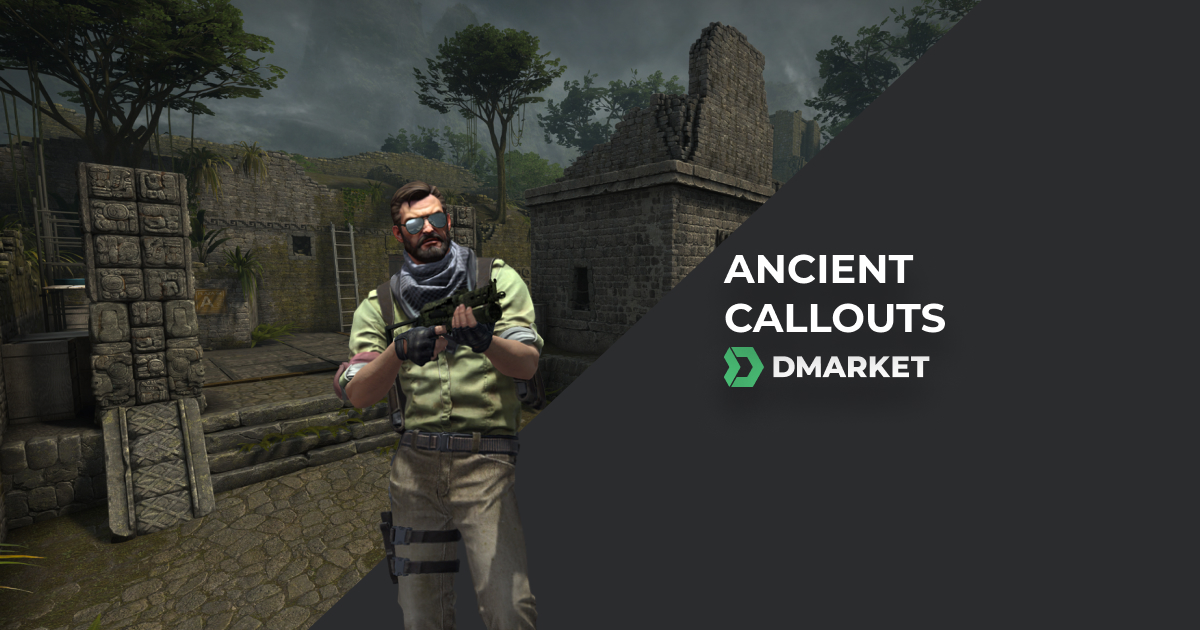
Mastering Callouts: Essential Strategies for CS2 Success
In the competitive landscape of CS2, mastering callouts is crucial for effective communication and strategic gameplay. Callouts refer to the practice of providing concise information about enemy locations, plans, or tactical moves to your team. To start improving your callouts, focus on using clear and standardized terminology that everyone understands. For example, instead of saying 'over there', specify the location using commonly accepted names for areas, such as 'A site' or 'mid'. This clarity can significantly enhance team coordination and lead to better decision-making during matches.
Additionally, practicing active listening and responding promptly is vital for successful callouts. Encourage your team to develop a system where callouts are both concise and informative. Consider implementing a set of guidelines, such as:
- Use brief phrases—keep it to one or two words when possible.
- Highlight critical information like 'two enemies on B site' or 'they're pushing up mid'.
- Confirm understanding among team members by repeating callouts.
By adhering to these strategies, players can master callouts and enhance their CS2 success, fostering a more engaged and skilled team.
Counter-Strike is a popular tactical first-person shooter game series where players engage in team-based combat. In matches, players assume different roles that can significantly affect the team's strategy and performance. The game emphasizes skill, strategy, and teamwork, making it a favorite among competitive gamers.
Top 10 Callouts Every CS2 Player Should Know
As a Counter-Strike 2 (CS2) player, understanding the top callouts can significantly enhance your team's communication and overall gameplay. Callouts are specific location names on the map that help players quickly convey important information, such as enemy positions, objectives, or tactical advantages. Here are the top 10 callouts every CS2 player should know:
- Mid: The center area of the map, crucial for control.
- Site A: The primary bomb site where players plant and defuse bombs.
- Site B: Secondary bomb site located opposite to Site A.
- Long: The elongated path leading to Site A.
- Short: The shorter route towards Site A, often linked with quick engagements.
- Catwalk: A raised pathway that allows players to flank or surprise opponents.
- Garage: A key hiding spot that can offer strategic positioning.
- Ramp: Incline areas that can provide advantageous sightlines.
- Connector: The passage between Mid and both bomb sites.
- Heaven: Elevated position providing aerial views of Sites.
How Tactical Callouts Can Elevate Your Team Communication in CS2
Tactical callouts play a crucial role in enhancing communication among teammates in CS2, allowing players to share vital information quickly and efficiently. By employing specific phrases and annotations, players can convey enemy locations, strategies, and other critical details in a fraction of a second. This streamlined communication helps foster teamwork, reduces confusion, and ultimately leads to more effective strategies during gameplay. As a result, players are better equipped to respond to dynamic situations, making tactical callouts an indispensable aspect of competitive play.
Moreover, integrating tactical callouts into your communication arsenal promotes consistency and clarity among your team. When everyone is on the same page regarding the meanings of specific callouts, the lines of communication become clearer, and players can focus more on their gameplay rather than interpreting messages. To maximize the effectiveness of tactical callouts, consider implementing a shared set of terms or phrases that your whole team can remember and utilize. This cohesive approach not only enhances in-game tactics but also builds a sense of unity and coordination that is essential for success in CS2.