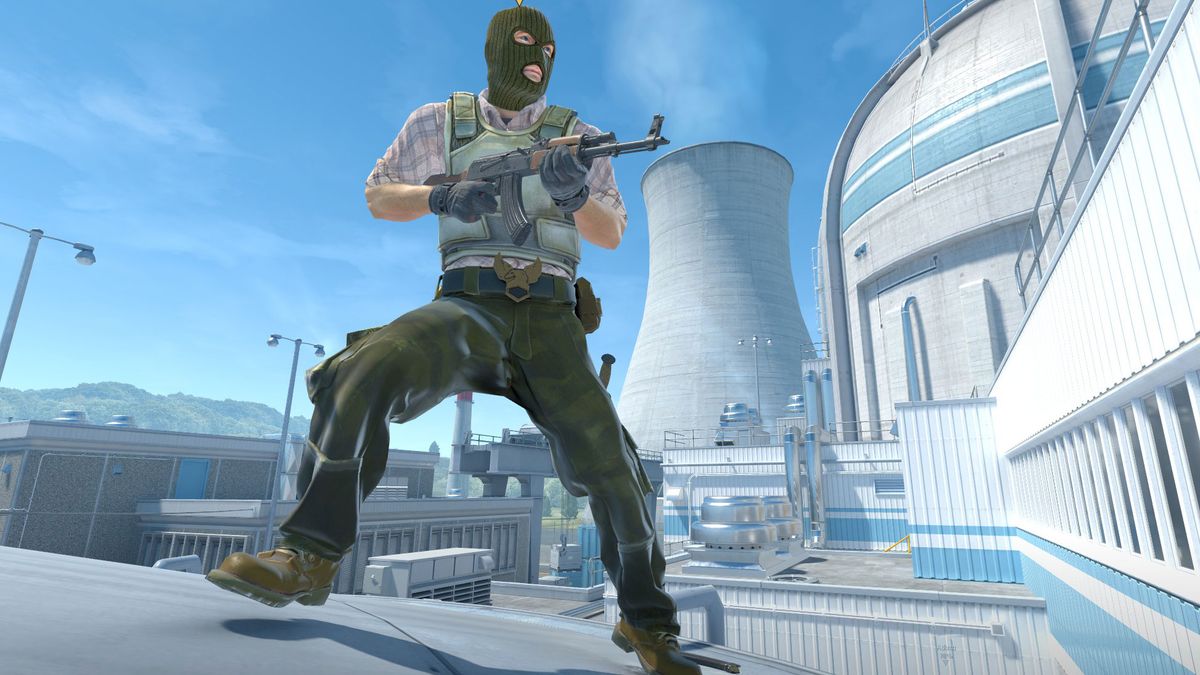
Mastering the Art of Deception: T-Side Strategies to Outmaneuver Your Opponents
In the world of competitive gaming, particularly in titles like Counter-Strike: Global Offensive, mastering the art of deception can be the key to turning the tide of battle. The T-Side, often viewed as the underdog when attacking, holds a treasure trove of strategies that can outmaneuver opponents. One essential tactic is the use of smokes and flashes to create the illusion of a heavy presence in one area while quietly executing a play in another. By manipulating sound cues and player positioning, T-Side players can mislead their opponents, causing them to overcommit resources to defend against a fake. This creates openings for your team to secure crucial bomb sites or catch enemies off guard.
Another powerful strategy involves leveraging teamwork and communication to enhance your deception. Employing fakes and distractions can force the enemy team to second-guess their positioning and tactics. For instance, two players can engage in a firefight to draw attention, while the rest take an alternative route to flank the unsuspecting opponents. This kind of coordinated effort not only outsmarts the enemy but also demonstrates the importance of strategic thinking in gameplay. Remember, in competitive play, it’s not just about winning the shootout; it’s about outsmarting your adversaries and leaving them bewildered and vulnerable.
Counter-Strike is a highly competitive first-person shooter game that has gained immense popularity since its release. Players can choose to take on the role of terrorists or counter-terrorists, engaging in various mission objectives. For those looking to optimize their gameplay, you can check out the donk cs2 settings which can significantly enhance performance.
5 Key Tactics for Effective T-Side Play in Competitive Matches
Effective T-side play is crucial for success in competitive matches, especially in tactical shooters. Here are 5 key tactics to help you enhance your performance and secure victories:
- Communication: Clear and concise communication with your teammates is essential. Always call out enemy positions and strategies to coordinate your moves effectively.
- Smoke Usage: Using smoke grenades to block enemy sightlines can create opportunities for advancing plants or sneaky plays. Master the art of smoking key choke points.
- Map Control: Gaining control over essential areas of the map allows for easier access to bomb sites and limits the enemy's tactical options. Focus on securing these zones early in the round.
- Distraction Plays: Create distractions to draw enemy attention away from your bombsite. A well-timed fake can lead to openings where your team can exploit weaknesses in the enemy defense.
- Adaptability: Be ready to adjust your strategy based on your enemies' responses. If something isn't working, don't hesitate to change tactics to gain the upper hand.
How to Keep Your Enemies Guessing: The Psychology Behind T-Side Strategy
In the realm of competitive gameplay, particularly in tactical shooters, mastering the art of deception can significantly heighten your strategic advantage. Understanding T-Side strategy requires not just a robust grasp of your own capabilities, but also an acute awareness of your enemies’ psychology. The key is to keep your opponents in a state of uncertainty, using varied approaches such as randomized playstyles and unpredictable movements. By rotating strategies frequently and engaging in behavior that disorients the enemy, such as faking bomb plans or feigned engagements, you compel them to play reactively, thereby relinquishing their original strategy.
Another vital aspect of maintaining the element of surprise on the T-Side lies in exploiting misinformation. This can be achieved through deliberate communication breakdowns, such as using bait strategies that lead opponents to believe they are facing a different threat than they truly are. For instance, if your team consistently executes plays in one area of the map, suddenly shifting focus to another can create openings for crucial map control. Remember, the goal is to create a psychological pressure that keeps your enemies guessing, ultimately leading them to make mistakes that you can capitalize on.