7 Essential Ergonomic Tips for a Healthier Workspace
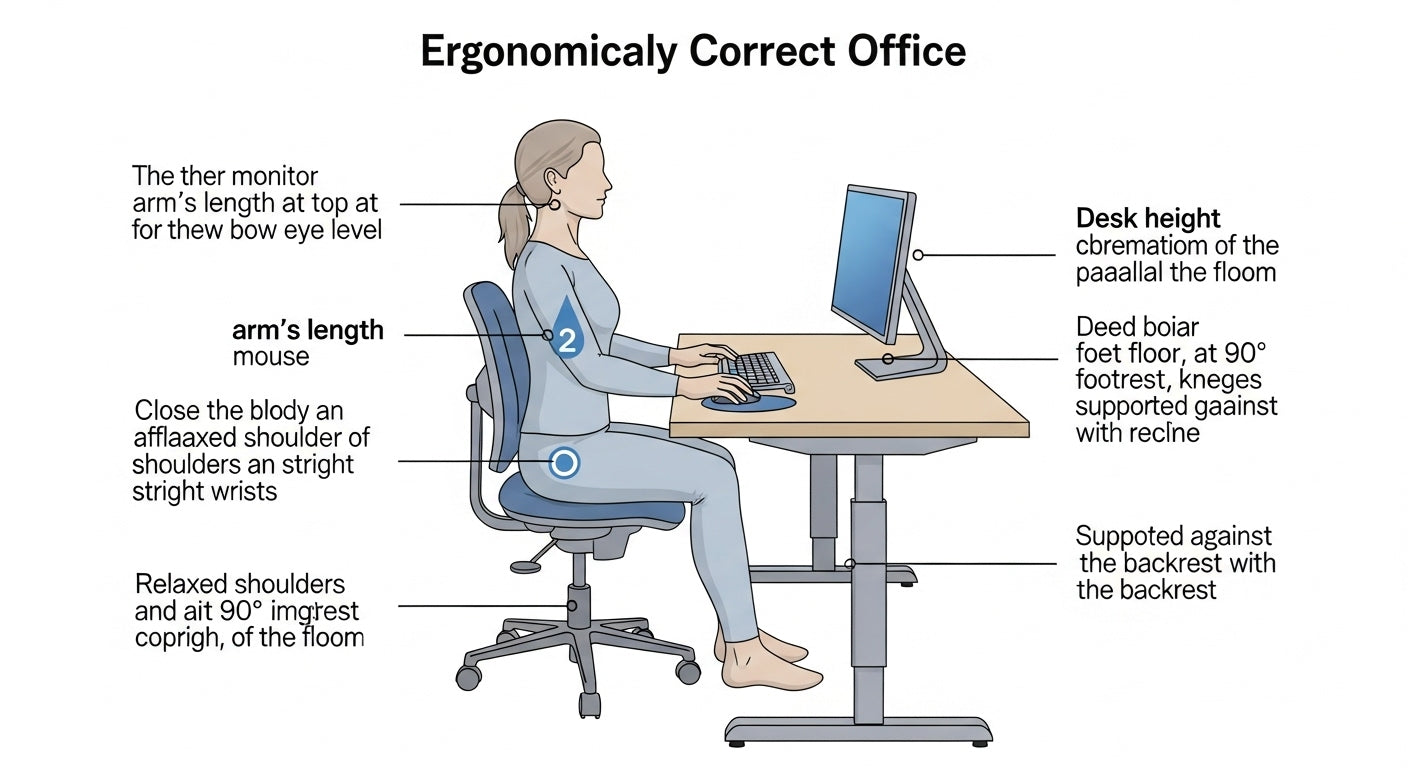
Creating a healthier workspace starts with understanding the importance of ergonomics. One of the key tips is to adjust your chair height so that your feet are flat on the floor. This not only promotes better posture but also reduces strain on your lower back. Additionally, ensure that your desk is at the correct height, allowing your elbows to be at a 90-degree angle when typing. Remember to keep frequently used items within arm's reach to minimize unnecessary stretching or twisting.
Another essential tip is to take regular breaks; standing up or moving around every hour can help prevent fatigue and improve circulation. Incorporating a standing desk or a sit-stand workstation can also make a significant difference in your overall comfort. Furthermore, consider the placement of your computer monitor: it should be at eye level to avoid straining your neck. Implementing these simple yet effective ergonomic tips can lead to a more productive and enjoyable work environment.
If you're looking for convenience and versatility when using your tablet, check out the Top 10 Tablet Holder Arms. These innovative mounts provide flexible viewing angles and stability, making them ideal for everything from watching movies to working from home. Whether you're seeking a simple desk mount or a more complex articulating arm, there's a perfect option for everyone on this list.
The Ultimate Guide to Choosing Ergonomic Office Furniture
When it comes to creating a comfortable and productive workspace, choosing ergonomic office furniture is crucial. Not only does it promote better posture, but it can also reduce the risk of musculoskeletal problems associated with prolonged desk work. Begin your search by considering ergonomic chairs that provide adequate lumbar support. Look for adjustable features, such as seat height, backrest angle, and armrests, which allow you to customize the chair to fit your body. Furthermore, don’t overlook the importance of a suitable desk; a height-adjustable standing desk can offer flexibility and help combat the negative effects of a sedentary lifestyle.
Next, pay attention to the accessories that complement your ergonomic office furniture. Items like keyboard trays, monitor stands, and footrests can enhance your overall workspace ergonomics. For instance, a monitor stand can help position your screen at eye level, reducing neck strain, while a keyboard tray can keep your wrists in a neutral position while typing. As you choose each piece, remember to prioritize comfort and adjustability, ensuring that your workspace meets your personal needs and preferences. By investing in high-quality ergonomic furniture, you'll not only improve your comfort but also boost your productivity.
How to Create an Ergonomic Setup: Common Mistakes to Avoid
Creating an ergonomic setup is essential for enhancing comfort and productivity, yet many individuals inadvertently make mistakes that can negate these benefits. One common error is ignoring workstation height, which can lead to strain on the neck and back. Your chair should be adjusted so that your feet rest flat on the floor, and your elbows should be at a 90-degree angle when using the keyboard. Additionally, the top of your monitor should be at or slightly below eye level to avoid unnecessary neck strain. To ensure your workspace is truly ergonomic, take the time to measure and adjust all components according to your specific needs.
Another frequent oversight is the lack of proper chair support. Many people overlook the importance of a chair that offers lumbar support, which can significantly impact your spinal health. It’s crucial to choose a chair that allows you to sit back while maintaining the natural curve of your lower back. Moreover, do not underestimate the importance of taking regular breaks; sitting for prolonged periods can lead to discomfort and fatigue. Aim for a balance by integrating short breaks or standing desks into your work routine, which can combat the negative effects of a non-ergonomic setup.