7 Must-Have Ergonomic Tools for a Healthier Workspace
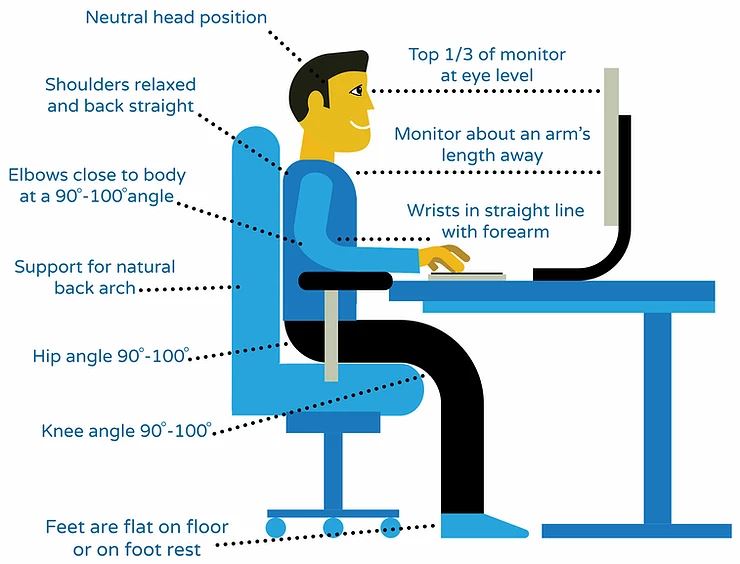
Creating a healthier workspace is essential for maintaining productivity and overall well-being. Incorporating ergonomic tools into your office setup can significantly reduce discomfort and prevent long-term injuries. Here are 7 must-have ergonomic tools that can transform your workspace:
- Ergonomic Chair: A chair that supports your lower back and promotes good posture is essential for long hours of sitting.
- Standing Desk: A flexible desk that allows you to alternate between sitting and standing can reduce fatigue and improve energy levels.
- Keyboard and Mouse: Invest in ergonomically designed peripherals to minimize wrist strain.
- Monitor Stand: Elevating your monitor to eye level can help reduce neck strain.
- Footrest: A footrest can promote better posture and circulation by keeping your feet flat on the ground.
- Wrist Support: Cushioned wrist supports can aid in reducing discomfort during typing.
- Desk Organizer: Keeping your workspace tidy can enhance focus and reduce stress.
Counter-Strike is a popular multiplayer first-person shooter game that pits teams of terrorists against counter-terrorists in various game modes. Players can choose from a variety of weapons and strategies to outsmart their opponents. For those who spend a lot of time gaming, having the right environment is crucial, so check out the Top 10 Home Office Setups to optimize your workspace.
How Ergonomic Design Can Boost Your Productivity
Ergonomic design plays a crucial role in enhancing productivity in both office and home environments. By prioritizing comfort and functionality, ergonomic furniture and tools can help reduce physical strain and discomfort, allowing individuals to focus more on their tasks. For instance, adjustable chairs, sit-stand desks, and properly positioned monitors can significantly improve posture and reduce the risk of repetitive strain injuries. Additionally, implementing ergonomic design principles leads to a more organized workspace, which can minimize distractions and enhance efficiency.
Moreover, the psychological benefits of an ergonomic workspace contribute to increased productivity. A well-designed environment fosters a sense of well-being and satisfaction, which can motivate individuals to perform at their best. Research has shown that employees in ergonomically optimized workspaces report higher levels of engagement and lower levels of stress. To reap these benefits, consider integrating ergonomic practices into your daily routine by making simple adjustments, such as
- investing in a supportive chair
- utilizing keyboard and mouse that reduce strain
- ensuring adequate lighting
Is Your Workspace Hurting You? Signs You Need an Ergonomic Makeover
Your workspace plays a crucial role in your overall health and productivity. If you find yourself experiencing discomfort, fatigue, or persistent pain, it might be time for an ergonomic makeover. Some common signs that your workspace is harming you include frequent headaches, neck or back pain, and wrist soreness. These symptoms often stem from poorly designed furniture or incorrect posture. Make a checklist to evaluate your workspace: Is your chair adjustable? Does your monitor sit at eye level? Are your feet flat on the floor? If the answer to any of these questions is no, it’s a clear indication that your environment needs improvement.
Moreover, an uncomfortable workspace can affect your productivity and mental well-being. If you find yourself constantly shifting positions to find comfort or taking frequent breaks due to discomfort, your workspace may be hurting you more than you realize. Consider implementing ergonomic principles to enhance your workspace. Simple adjustments like using a standing desk, incorporating a supportive chair, and organizing tools within easy reach can make a significant difference. Remember, investing in your workspace is investing in your health, so don’t hesitate to make these crucial changes for a better working environment.