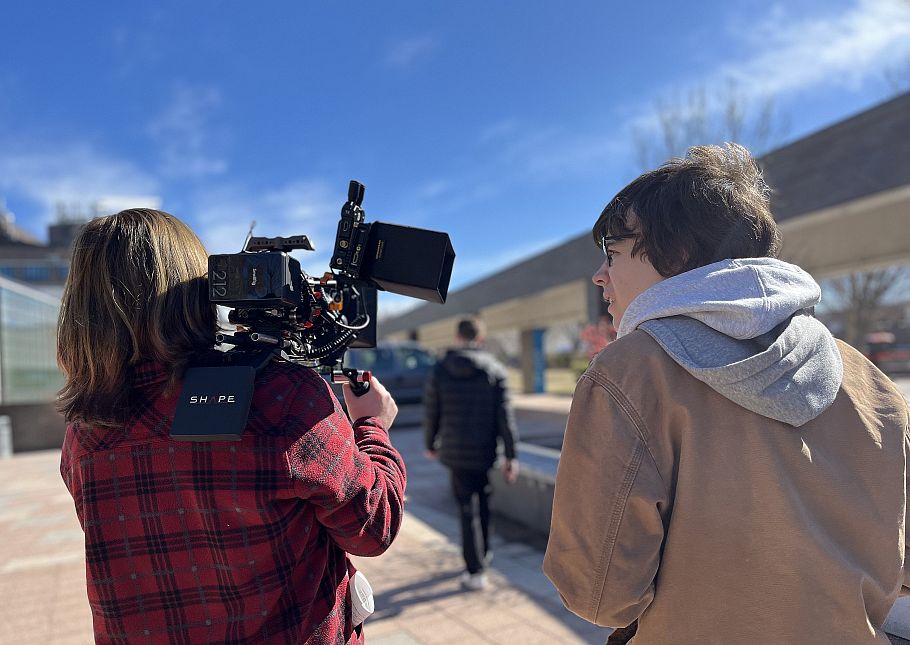
10 Hidden Filmmaking Techniques Used by Hollywood Insiders
Hollywood filmmakers often employ a range of hidden filmmaking techniques that elevate the quality of their films beyond what the average viewer might notice. One such technique is the use of color grading, which alters the mood and tone of a film by adjusting the colors in post-production. By applying specific color palettes, filmmakers can evoke emotions, create tension, or establish time periods without the audience even realizing it. Additionally, the technique of practical effects can be more immersive than CGI, offering a tactile realism that audiences resonate with. Techniques like this contribute significantly to the overall storytelling and audience engagement.
Another lesser-known technique involves the use of diegetic and non-diegetic sound. Diegetic sound refers to audio that originates from within the film's world, such as dialogue or sounds produced by actions on screen. In contrast, non-diegetic sound includes elements like background music that exist outside the film's reality. The smart interplay between these sound types can subtly guide the audience's emotions and responses. Moreover, Hollywood insiders often utilize frame composition — the arrangement of visual elements within a shot — to direct the viewer's focus and convey deeper themes. When these filmmaking techniques are expertly executed, they enhance the cinematic experience, drawing viewers deeper into the story.
Counter-Strike is a highly popular first-person shooter game that emphasizes teamwork and strategy. Players compete in various game modes, typically involving terrorists versus counter-terrorists, with the goal of completing objectives or eliminating the opposing team. If you’re looking for the best equipment to enhance your gaming experience, check out the Top 10 iPhone gimbals for some excellent options.
The Untold Secrets Behind Successful Film Scripts: What They Don’t Teach You
When delving into the realm of screenwriting, many aspiring writers focus on the fundamentals they learn in workshops and classes. However, the untold secrets behind successful film scripts often lie in the subtleties of character development and structure. For example, the importance of conflict cannot be overstated; it drives the narrative forward and keeps audiences engaged. Incorporating elements such as internal struggles and external challenges can add depth to characters, making them relatable and memorable.
Moreover, successful scripts frequently employ narrative techniques that are overlooked in traditional teachings. One such technique is the use of subtext, where the underlying meaning adds layers to dialogue and action. Writers can create tension and intrigue by allowing characters to communicate indirectly. In addition, the effective use of foreshadowing keeps viewers guessing and invested in the storyline. Ultimately, these elements combined with a unique voice and perspective can transform a standard script into a captivating cinematic experience.
Is Hollywood Holding Back These Essential Filmmaking Tips from You?
In the world of cinema, Hollywood often seems like a closed book, with aspiring filmmakers left to decipher its secrets. Many industry professionals hint that essential filmmaking tips are closely guarded, leading to a cycle of frustration for newcomers. If you've ever wondered why certain techniques are rarely shared outside elite circles, the answer might lie in the competitive nature of the industry. The best-kept secrets of story structure, character development, and visual storytelling could transform your project from mediocre to masterpiece, yet they remain shrouded in mystery, leading to the question: is Hollywood truly holding back these essential insights?
Filmmaking is an art that thrives on collaboration and knowledge sharing, yet many talented individuals find themselves isolated by the perceived barriers of Hollywood. Discovering these essential filmmaking tips might require going against the grain, seeking out resources that promote independent filmmaking and community-driven learning. Workshops, online courses, and industry blogs can provide valuable insights often overlooked by mainstream studios. By breaking down these barriers, you can unlock the potential to elevate your craft and contribute to a richer, more diverse cinematic landscape.