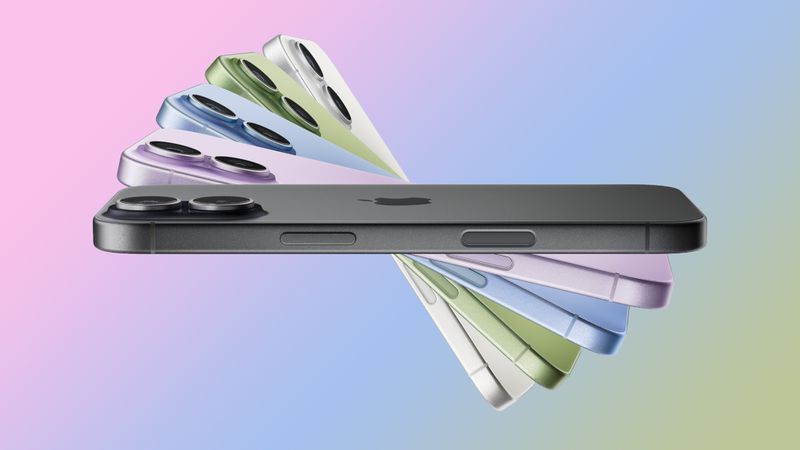
How the iPhone 17 Sets a New Standard: A Look at What Makes It Coveted
The iPhone 17 has taken the smartphone world by storm, setting a new standard that competitors will find hard to match. With its innovative features and exceptional performance, this latest model embodies Apple's commitment to technological advancement. Key enhancements such as the cutting-edge A17 Bionic chip and a stunning OLED display not only enhance user experience but also emphasize the phone's capability. The introduction of advanced camera systems, including improved night mode and 4K video recording, allows users to capture stunning photos and videos like never before.
In addition to hardware improvements, the iPhone 17 also boasts impressive software updates with the new iOS 17, which introduces features such as Live Voicemail and customizable lock screens. These updates reflect a focus on user-friendly functionalities that streamline daily tasks and enhance connectivity. Coupled with Apple's commitment to privacy and security, the iPhone 17 not only meets modern demands but also redefines what a smartphone can be. It is no wonder that tech enthusiasts and everyday users alike are eagerly anticipating the opportunity to own this remarkable device.
If you're looking to enhance your iPhone 17 experience, consider exploring the Top 10 iPhone 17 MagSafe wallet stand options available in the market. These innovative accessories not only provide convenience but also add style to your device. From sleek designs to functional features, there's a perfect stand for everyone's needs.
Is Your Old Phone Suffering from Tech Envy? Signs It's Time for an Upgrade
If you find yourself frequently frustrated with your old phone's performance, it might be time for an upgrade. Common signs that your device is suffering from tech envy include laggy response times, app crashes, and an inability to keep up with newer software updates. For instance, if you notice that launching apps takes longer than usual or your phone struggles to multitask, these are clear indicators that your device is no longer meeting your needs. Moreover, an older phone might not support the latest features, making it less capable of handling modern applications that require more processing power.
Additionally, consider your phone's battery life. If you're constantly hunting for a charger because your device drains quickly, it's another sign that it's time to let go. Many older models cannot efficiently manage energy usage, leading to the dreaded 'low battery' alert appearing far too often. As technology progresses, newer phones not only offer improved performance but also enhanced battery management systems. Upgrading might not only refresh your tech experience but also save you from the daily hassle of managing insufficient battery life.
The Psychological Impact of Upgrading: Why We Compare Our Devices
The act of upgrading our devices is not solely a technical decision but a psychological one that significantly influences our self-perception and social standing. When we obtain a new gadget, such as a smartphone or laptop, we often compare our devices to those of friends and peers. This tendency arises from the innate human need for social comparison, where we gauge our worth against others. Research shows that these comparisons can lead to feelings of inadequacy or superiority, depending on the context. For many, owning the latest model signifies success, prompting a cycle of upgrading that can be both exhilarating and anxiety-inducing.
Moreover, the psychological impact of upgrading extends beyond individual feelings to broader cultural implications. In a society that often equates technological advancement with personal progress, the pressure to maintain up-to-date devices can be overwhelming. This constant need for comparison not only fuels consumerism but also affects mental well-being, as individuals grapple with the desire for the newest technology against their financial realities. Thus, understanding the motivations behind our comparisons and upgrades illuminates the complex relationship we have with technology and its role in shaping our identities.