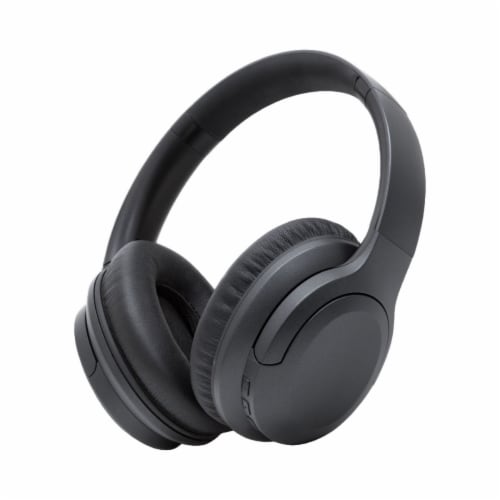
The Science Behind Noise Cancelling: How Does It Work?
The science behind noise cancelling technology involves a fascinating interplay of sound waves. At its core, noise cancelling works through the principle of destructive interference. When external sounds are detected, the headphones or earbuds use built-in microphones to pick up these ambient noises. They then generate sound waves that are the exact opposite phase of the incoming sounds. When these two waves meet, they effectively cancel each other out, resulting in a reduction of noise that reaches your ears. This process is particularly effective for low-frequency sounds, such as the hum of an airplane or the rumble of a train.
There are two main types of noise cancelling technology: active and passive. Active noise cancelling utilizes the aforementioned microphones and sound wave generation to reduce unwanted noise actively. On the other hand, passive noise cancelling relies on physical barriers, such as padded ear cups, to prevent sound from entering the ear canal. Many high-quality headphones combine both methods, maximizing the effectiveness of noise reduction. Understanding these mechanisms not only highlights the remarkable advances in audio technology but also enhances our enjoyment of music, podcasts, and other auditory experiences.
If you're looking for high-quality audio and clear communication, consider checking out the Top 10 earbuds for calls. These earbuds are designed to minimize background noise while ensuring your voice comes through crisp and clear, making them perfect for work calls and virtual meetings.
Top 5 Benefits of Using Noise Cancelling Headphones
In today's fast-paced world, noise cancelling headphones have become essential for enhancing our audio experiences. The first major benefit is their ability to significantly reduce ambient noise, allowing users to immerse themselves in their favorite music, podcasts, or audiobooks without distractions. This is particularly beneficial for those who frequently travel, as the clamor of airplanes or public transport can be overwhelming. By investing in a pair of these headphones, you can enjoy your audio content in peace, making every listening experience more enjoyable.
Another advantage of using noise cancelling headphones is their positive impact on focus and productivity. Whether you're working in a bustling coffee shop or a noisy office, these headphones can create a personal sound bubble that minimizes disruptions. According to studies, wearing noise cancelling headphones can improve concentration levels by up to 50%, making them a great tool for students and professionals alike. Additionally, they can help reduce stress levels by providing a calm auditory environment, which is essential for maintaining mental well-being.
Is Noise Cancelling Right for You? A Comprehensive Guide
Noise cancelling technology has revolutionized the way we experience sound, offering a sanctuary of tranquility in our bustling world. If you often find yourself overwhelmed by the cacophony of daily life, investing in noise-cancelling headphones could be a game-changer. This comprehensive guide will help you determine if noise cancelling is the right choice for you by examining its benefits, drawbacks, and ideal usage scenarios.
When considering whether noise cancelling is right for you, think about your typical environment. For instance, if you frequently commute on public transport or work in open office settings, you may greatly benefit from the ability to block out external sounds. Moreover, noise-cancelling headphones can enhance your listening experience during travel or study sessions. However, it's crucial to weigh factors such as budget, comfort, and individual preferences, as some people may find the sensation of isolation uncomfortable. In conclusion, noise cancelling headphones can be a significant asset, but assessing your personal needs is key to making the right choice.