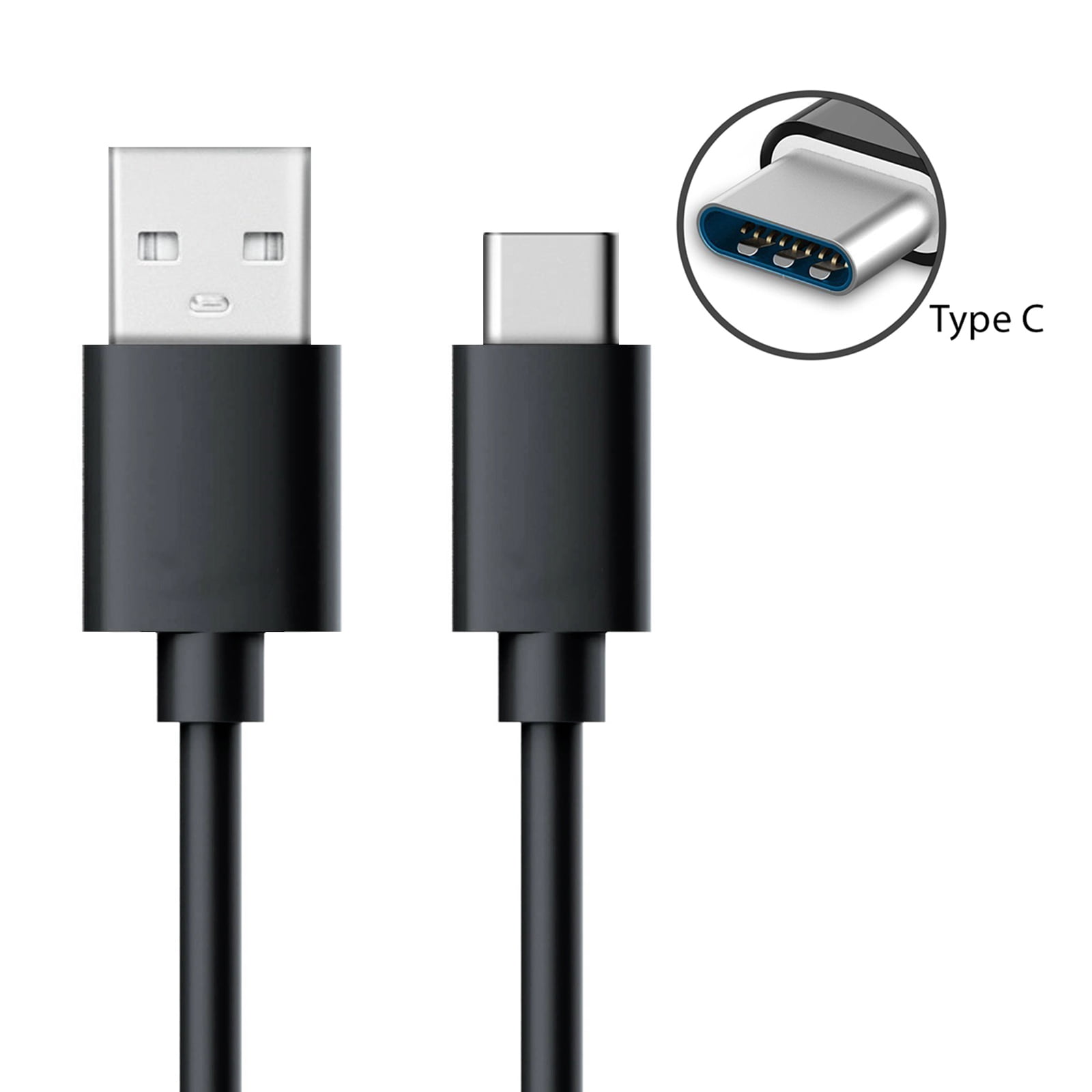
The Versatility of Type C: Unpacking Its Role in Modern Connectivity
The Type C connector has revolutionized the landscape of modern connectivity, offering a single, unified solution for a diverse range of devices. Unlike its predecessors, Type C is symmetrical, meaning it can be inserted in either orientation, enhancing user convenience. This compact and efficient design allows it to handle data transfer, video output, and power delivery through a single cable. As technology advances, the versatility of Type C becomes increasingly apparent. For instance, it has become the standard port for many laptops, smartphones, and tablets, ensuring that users can connect a multitude of devices without the need for multiple cables.
In terms of performance, the capabilities of Type C are impressive. It supports data transfer speeds of up to 10 Gbps and can deliver up to 100 watts of power, making it suitable for charging everything from smartphones to laptops. Furthermore, Type C ports are becoming increasingly common in peripherals such as external hard drives, monitors, and docks, creating a seamless ecosystem for users. One of the most significant advantages is its ability to support USB Power Delivery (USB PD), which allows for faster charging times across compatible devices. As we continue to embrace a more connected world, the impact of Type C on our daily interactions with technology cannot be overstated.
If you're looking to expand your connectivity options, check out the Top 10 USB C Extension Cables. These cables provide enhanced flexibility for your devices, allowing you to connect comfortably from a distance. With varying lengths and specifications, there's a perfect option for every need.
How Type C Revolutionizes Charging: A Look at Speed and Efficiency
In recent years, Type C has revolutionized the way we think about charging devices. Unlike its predecessors, Type C connectors offer a universal solution that is not only faster but also more efficient. With the capability to deliver up to 100 watts of power, the Type C standard supports rapid charging across a variety of devices—from smartphones to laptops and even some appliances. This means that users can enjoy significantly reduced charging times, enhancing their overall experience. As manufacturers increasingly adopt this technology, the convenience of a single cable and connector for multiple devices becomes a reality.
Another compelling aspect of Type C is its ability to transfer data at lightning speeds. With USB 3.1, users can achieve transfer rates of up to 10 Gbps, making it ideal for those who frequently move large files or stream high-definition content. Furthermore, the bi-directional nature of Type C allows power and data to transfer simultaneously, making it a more efficient solution. As the demand for faster charging and data capabilities continues to grow, it’s clear that Type C is not just a trend but a vital advancement in technology that promises to define the future of electronic connectivity.
Is Type C the Future of Connectivity? Exploring Its Advantages and Limitations
The rise of Type C connectivity has revolutionized the way we connect our devices. With its reversible design and universal compatibility, the Type C connector is becoming the standard for modern gadgets, including smartphones, laptops, tablets, and more. One of its primary advantages is the ability to deliver up to 100W of power, allowing for quick charging and efficient power transfer. Additionally, Type C supports various data transfer protocols, including USB 3.1, which enables transfer speeds of up to 10 Gbps. This makes it an excellent choice for high-definition video, fast data transfers, and even connecting multiple devices through a single port.
However, despite its many advantages, Type C does have some limitations that consumers should be aware of. Not all Type C cables are created equal; the quality and specifications can vary significantly, leading to confusion and potential compatibility issues. Moreover, while Type C is becoming more prevalent, many older devices still utilize traditional USB connectors, meaning users may need adapters to connect with certain technology. As the industry evolves, it will be essential to balance Type C's growing dominance with continued support for legacy systems to ensure a seamless transition.