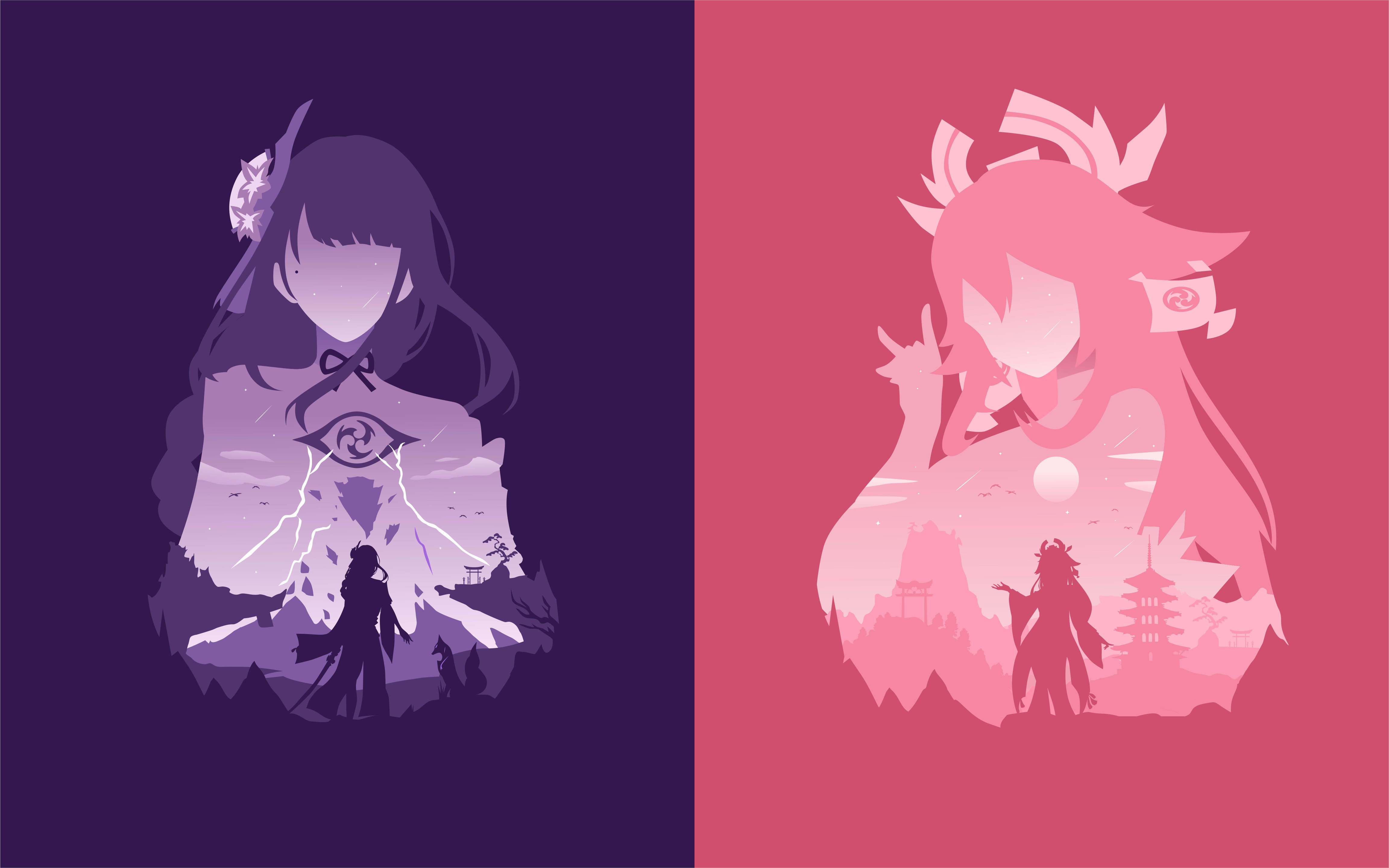
The Philosophy of Minimalism in Anime: Why Less is More
The philosophy of minimalism in anime is a profound reflection of the notion that less is more. At its core, minimalism strips away the superfluous, allowing essential themes and character emotions to shine without the clutter of excessive detail. This approach can be seen in works like 'Mushishi' and 'Anohana: The Flower We Saw That Day', where simple yet impactful narratives guide viewers through complex emotional landscapes. By prioritizing clarity over chaos, these series invite audiences to engage deeply with the subtleties of the story, making every gesture and scene feel weighty and significant.
Furthermore, minimalism in anime often translates to visual aesthetics that utilize negative space and subdued color palettes. This intentional restraint not only enhances the storytelling but also allows viewers to find their interpretations within the story's quiet moments. As exemplified in '5 Centimeters Per Second,' the stunning yet understated visuals create an atmosphere that complements the themes of longing and distance. In a medium often characterized by vibrant colors and frenetic action, the embrace of a minimalist philosophy is a powerful reminder that sometimes, the most profound messages are conveyed through simple, understated elements, proving that in the world of anime, less truly is more.
The solo leveling shop offers a variety of merchandise inspired by the popular webtoon, allowing fans to indulge in unique collectibles and apparel that celebrate their favorite characters and moments.
Exploring Iconic Minimalist Anime Designs: A Visual Journey
Minimalist anime designs have transformed the way we perceive character aesthetics, stripping away unnecessary details to create a more impactful visual narrative. This iconic minimalist style emphasizes simplicity, with bold lines and a limited color palette that evoke deep emotions and enhance storytelling. For instance, shows like 'Cowboy Bebop' and 'Serial Experiments Lain' exhibit these principles brilliantly, allowing viewers to engage with the characters on a psychological level while retaining an elegant visual appeal.
The beauty of minimalist anime designs lies in their ability to convey complex themes through straightforward imagery. Take, for example, the use of negative space in 'My Neighbor Totoro', where the sparse backgrounds highlight the characters' innocence and adventure. As we embark on this visual journey, we will delve into various notable works that showcase the strength of minimalism, exploring how this artistic choice can leave a lasting impression on audiences, making each frame a work of art in its own right.
How Minimalist Aesthetics Enhance Storytelling in Anime
Minimalist aesthetics in anime serve to enhance storytelling by focusing on the essential elements that convey emotion and meaning. By stripping away excessive details, creators can guide the viewer's attention to crucial narrative moments, allowing the audience to connect deeply with the characters and themes. This technique encourages viewers to fill in the gaps with their imagination, fostering a more personal and immersive experience. In series like March Comes in Like a Lion, for instance, the use of negative space and restrained color palettes speaks volumes about the protagonist's internal struggles, emphasizing the weight of solitude and resilience.
Furthermore, the minimalist aesthetic allows for clearer visual storytelling by removing distractions, thus enhancing the emotional impact of key scenes. In works such as Miss Hokusai, the simplification of backgrounds and character designs ensures that the focus remains on poignant interactions and moments of personal growth. This clarity not only aids in character development but also weaves a visual narrative that resonates on a deeper level. The understated approach invites audiences to interpret the story through their lens, making each viewing a unique experience that is both engaging and thought-provoking.