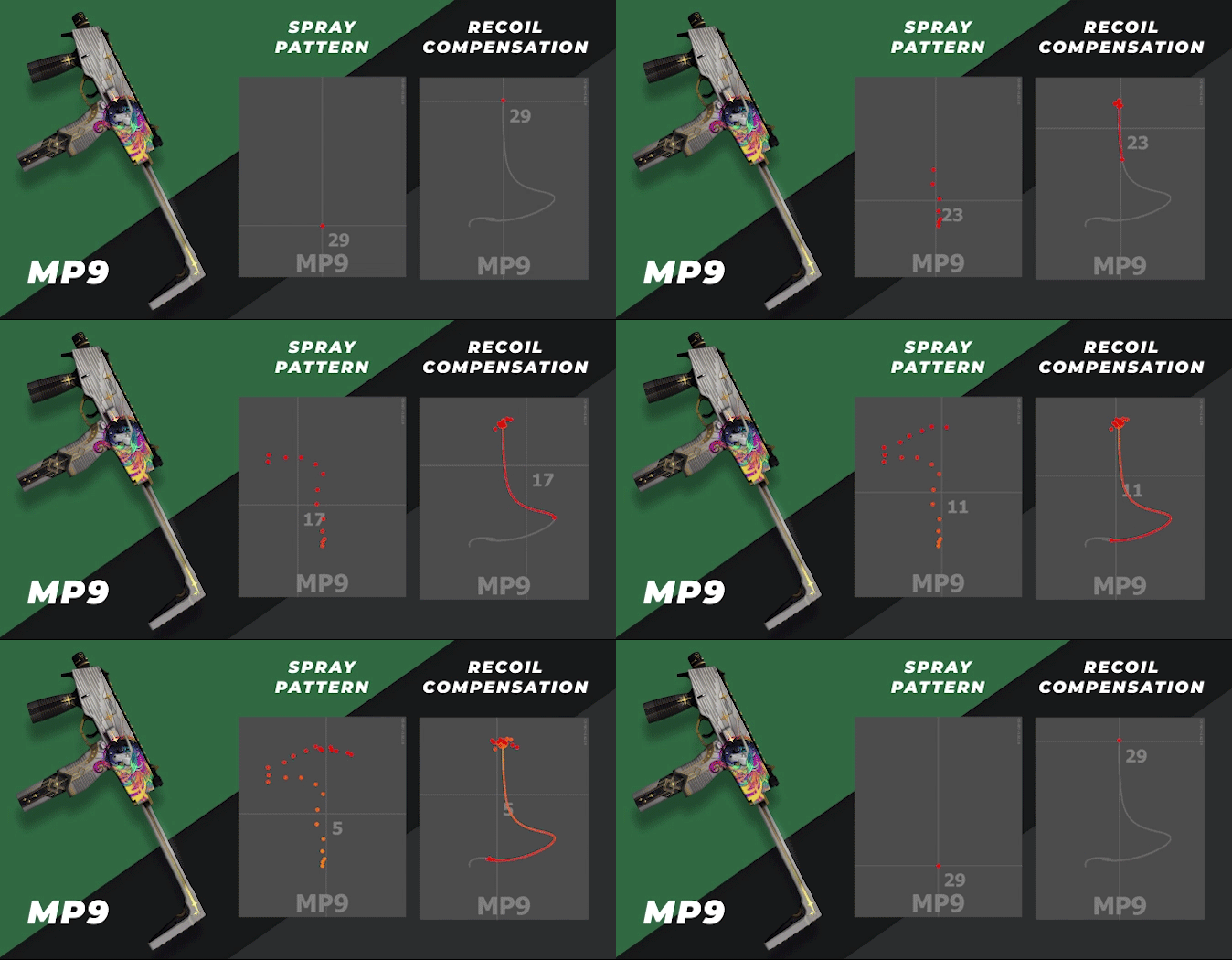
Top 5 Spray Control Techniques for Perfect Results
When it comes to achieving perfect results in spray application, understanding the right spray control techniques is essential. Here are the top five techniques to enhance your spraying efficiency:
- Adjusting Pressure: Maintain optimal pressure settings to ensure a fine and uniform spray pattern.
- Using Proper Nozzles: Select nozzles that match your project requirements to achieve the desired coverage and droplet size.
- Controlling Speed: Adjust your movement speed when spraying to prevent uneven application and ensure adequate coverage.
- Wind and Weather Considerations: Monitor external conditions that may affect spray drift and target accuracy.
- Overlap Techniques: Implementing techniques to overlap spray passes will help in avoiding streaks and ensuring even application.
Each of these spray control techniques can significantly impact the outcome of your projects. By focusing on these crucial aspects, you can achieve a professional finish—whether you're painting, applying pesticides, or performing any other spraying task. Remember, the key to exceptional results lies in not just how you spray, but also in understanding the science behind each technique. Experimenting with these methods will help you find the perfect balance for your specific applications.
Counter-Strike is a popular tactical first-person shooter game that emphasizes teamwork and strategy. Players can enhance their experience by using various custom settings, including cs2 buy binds to streamline their gameplay. The game's competitive scene continues to evolve, attracting millions of players worldwide.
Common Mistakes in Spray Control and How to Avoid Them
Effective spray control is crucial for achieving the desired results in various applications, whether in agriculture, landscaping, or pest management. However, many individuals fall into common traps that can lead to inefficient spraying and even damage to crops or surrounding environments. One major mistake is ignoring the weather conditions; spraying during high winds or rain can drift the chemicals away from the target area, reducing efficacy and potentially harming non-target species. Additionally, improper nozzle selection can lead to either too coarse or too fine a spray, causing uneven application. Ensuring that you use the right nozzle type and size is essential for achieving uniform coverage.
Another frequent error involves calibrating spray equipment poorly. Without regular checks, the amount of product dispensed can vary significantly, either over- or under-application, which not only affects effectiveness but can also contribute to resistance in pests. It's vital to establish a routine for calibration, which includes adjusting settings based on the type of application, speed, and the terrain. Lastly, neglecting to clean and maintain spray equipment can lead to clogs and malfunctions, so always ensure your tools are in optimal condition before use. By avoiding these common mistakes, you can enhance your spray control practices and achieve better outcomes.
Unlock the Secrets: How Professionals Achieve Flawless Spray Control
Unlocking the secrets to achieving flawless spray control is vital for professionals in various industries, from agriculture to painting. Mastery of this technique can lead to better results and considerable cost savings. One of the primary factors influencing spray control is equipment choice. Professionals often recommend using high-quality nozzles that are specifically designed for the task at hand, as these can dramatically impact the precision and coverage of the spray. Additionally, understanding the spray pattern and adjusting nozzle size according to the application needs can help in maximizing performance.
Another crucial aspect involves technique. Properly calibrating the spray system is essential for ensuring that the right amount of material is applied at the right pressure. Professionals often employ a series of steps to achieve this, which may include
- conducting regular maintenance on spray equipment
- adjusting the distance between the spray and the target surface
- utilizing windbreaks to prevent drift