Understanding Wireless Charging: How It Works and Benefits
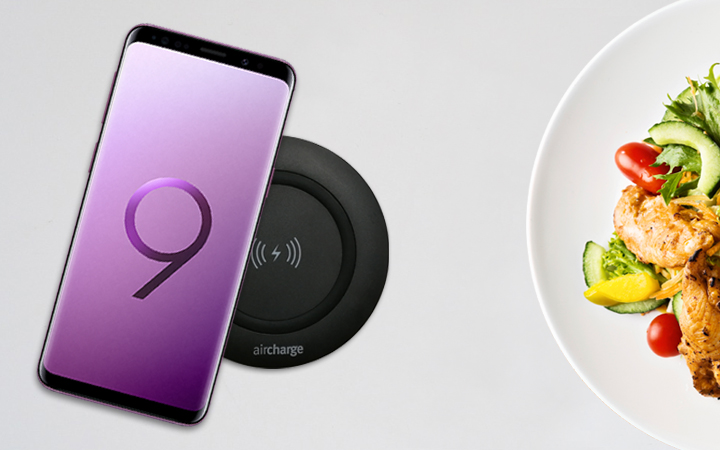
Wireless charging is a modern technology that allows devices to be charged without the need for physical connectors. At its core, wireless charging uses electromagnetic fields to transfer energy between two objects. This process typically involves two main components: a charging pad and a compatible device equipped with a receiver. When the device is placed on the charging pad, electricity flows from the pad to the receiver, converting energy into a form that the device can use. The most common standard for this technology is Qi charging, which has been widely adopted by major smartphone manufacturers.
One of the primary benefits of wireless charging is its convenience. Users can simply place their devices down on a charging pad without the hassle of plugging in cables. This not only reduces wear and tear on charging ports but also eliminates the frustration of fumbled cords. Additionally, wireless charging supports a cleaner workspace as it minimizes cable clutter. Furthermore, it allows for fast charging capabilities with many models, making it a practical choice for busy individuals who are always on the go. In summary, wireless charging offers both efficiency and ease of use, making it an attractive option for tech-savvy consumers.
If you're looking for convenience and efficiency in charging, the Top 10 Wireless Charging Stands offer some of the best options available. These stands provide a clutter-free solution to keep your devices powered up while allowing easy access. With varying designs and features, there's a perfect choice for every user, whether at home or in the office.
The Future of Power: Exploring the Advantages of Going Cordless
As we move deeper into the 21st century, the shift towards cordless technology is becoming increasingly evident. From power tools to kitchen appliances, the benefits of going cordless are clear. For one, cordless devices offer unmatched mobility, allowing users to operate tools and gadgets without the hassle of being tethered to a power source. This freedom not only enhances convenience but also promotes productivity, especially in environments like construction sites or workshops where the layout is frequently changing. Moreover, cordless devices often come equipped with advanced battery technology, which translates to longer running times and quicker charging capabilities, making them a popular choice for both professional and personal use.
The environmental impact of cordless technology is another compelling aspect to consider. With the rise of renewable energy sources, many cordless devices are now being powered by eco-friendly batteries, reducing reliance on fossil fuels. This shift not only minimizes carbon footprints but also fosters sustainable practices. Additionally, the convenience of cordless devices can lead to fewer accidents related to tangled cords and tripping hazards, contributing to safer living and working environments. As we look ahead, the future of power seems bright as we embrace the advantages of cordless technology, paving the way for innovation and efficiency.
Is Wireless Charging Right for You? Common Questions Answered
With the rise of wireless charging technology, many individuals are left wondering: Is wireless charging right for you? One of the most common questions is about its efficiency compared to traditional charging methods. While wireless chargers can offer convenience, they may not always charge your device as quickly as a wired charger. It's important to consider your daily routine. If you need your device charged quickly, a wired connection may still be preferable. However, if you often find yourself at a desk or nightstand, the ease of simply placing your device down to charge can be a significant benefit.
Another common question regarding wireless charging is its compatibility with various devices. Most modern smartphones support wireless charging, but it's critical to check your device specifications to avoid investing in a charger that won’t work for you. Additionally, consider the potential heat generation during charging, as excess heat can affect battery longevity. Ultimately, the decision to switch to wireless charging should consider your lifestyle, device compatibility, and charging speed preferences.