The Rise of Wireless Charging: How It Works and Why You Need It
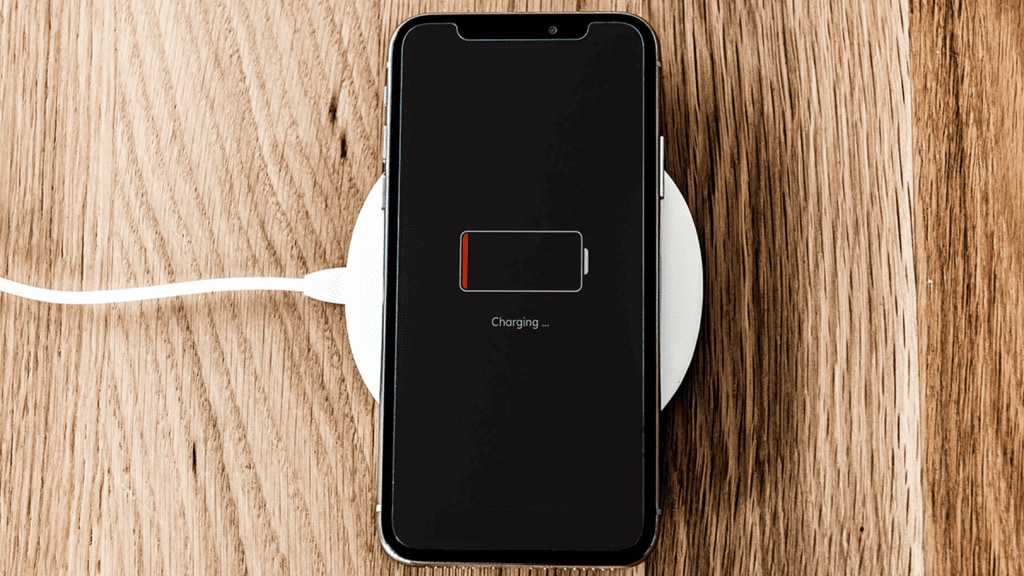
The rise of wireless charging is revolutionizing the way we power our devices. Instead of searching for tangled cords or battling with worn-out connectors, wireless charging provides a seamless experience powered by electromagnetic fields. This technology works using a principle called inductive charging, where energy is transmitted from a charging pad to a compatible device. When you place your phone or other gadgets on the pad, it creates a magnetic field that transfers energy, allowing for efficient and convenient charging without the hassle of plugs and cables.
So, why do you need wireless charging? First and foremost, it enhances convenience. Imagine simply placing your device on a charging station as you walk in the door, freeing you from the stress of low battery anxiety. Furthermore, wireless charging solutions are often designed with safety features, minimizing wear and tear on both the device and the charger. As technology continues to advance, you may find that wireless charging is not just a luxury, but a necessity for your tech-savvy lifestyle, ensuring your devices remain powered without compromising on efficiency or ease of use.
Counter-Strike is a popular first-person shooter game that has captured the interest of gamers worldwide. It emphasizes teamwork and strategy as players compete as either terrorists or counter-terrorists. For those looking to enhance their gaming setups, checking out the Top 10 Nightstand Charging Stations can provide valuable solutions for keeping devices charged and organized during intense gaming sessions.
The Future is Wireless: Benefits of Charging Without Cables
As technology advances, the future is undeniably leaning towards wireless solutions, particularly in the realm of charging devices. The benefits of charging without cables extend beyond mere convenience; they encapsulate a lifestyle that values simplicity and efficiency. With wireless charging, users can cut down on clutter and say goodbye to frayed cords, making their living and working spaces more organized. This innovative approach to energy transfer not only reduces wear and tear on charging cables but also enhances the safety of your devices by minimizing the risk of electrical short circuits.
Moreover, wireless charging technology is paving the way for new possibilities in device design. Manufacturers can create sleeker, more compact devices without the need for charging ports, leading to increased durability and water resistance. Additionally, charging multiple devices simultaneously becomes a reality with wireless solutions, allowing users to power their smartphones, smartwatches, and other gadgets on a single charging pad. As we embrace a wireless future, the convenience and efficiency of charging without cables will undoubtedly redefine our daily interactions with technology.
Is Wireless Charging Worth It? Pros and Cons Explained
Wireless charging has gained popularity as a convenient way to power up devices without the hassle of tangled cords and plugs. One of the major pros of wireless charging is its ease of use; you simply place your device on the charging pad, and it starts charging automatically. Additionally, many wireless charging pads are designed to be universally compatible with various devices, provided they support the Qi standard. This eliminates the need for multiple chargers and can reduce wear and tear on charging ports, contributing to longer device lifespans.
However, despite its advantages, there are also some downsides to consider. One significant con of wireless charging is the slower charging speed compared to traditional wired chargers. While it offers convenience, you might find yourself waiting longer to fully charge your device. Furthermore, wireless chargers can be less energy-efficient, leading to higher electricity consumption. Finally, the initial cost of purchasing a wireless charging pad can be a consideration, especially if you're already equipped with good quality wired chargers.