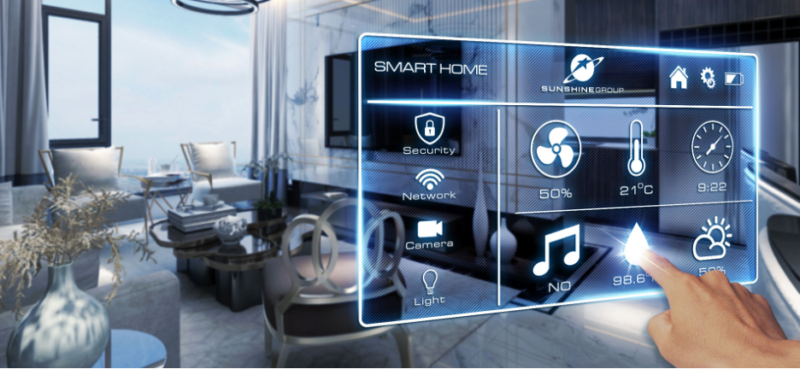
Are Your Smart Appliances Secretly Conspiring Against You?
In the age of technology, smart appliances have invaded our homes, making everyday tasks more convenient and efficient. However, many users remain unaware that their devices may be collecting data beyond just what is necessary for functionality. With built-in sensors and connectivity, these appliances can gather information about your habits, preferences, and routines. This raises the question: are your smart appliances secretly conspiring against you by monitoring your behavior without your consent?
As we embrace the convenience of modern technology, it's essential to understand the implications. For instance, smart refrigerators can track your food consumption and suggest recipes, while smart thermostats learn your heating preferences over time. But is this level of attention more intrusive than helpful? By analyzing user interactions, companies can tailor advertisements and potentially manipulate purchasing decisions. Protecting your privacy while enjoying the benefits of smart appliances may require a careful balance between convenience and control.
Counter-Strike is a highly popular multiplayer first-person shooter game where teams of terrorists and counter-terrorists compete in various objective-based modes. Players can choose from a range of weapons and tactics, making teamwork and strategy essential for success. For those looking for game recommendations, check out the Top 10 Alternatives to Bluetooth Trackers to enhance your gaming experience.
Top 5 Ways Your Smart Home Devices May Be Sabotaging Your Day
In today's increasingly connected world, smart home devices promise unparalleled convenience, but they can often sabotage your day in unexpected ways. Whether it's a smart thermostat that adjusts the temperature at the wrong moment or a voice assistant that misinterprets your commands, these tech marvels can create frustration rather than ease. Here are the top 5 ways these devices might be undermining your daily routine:
- Miscommunications with Voice Assistants: Smart speakers can misinterpret your requests, leading to unwanted actions that disrupt your schedule.
- Over-automation: When devices are programmed to operate on a schedule, they may interrupt your activities at inopportune times.
- Connectivity Issues: A glitch in your Wi-Fi can render your gadgets useless, leaving you frustrated and scrambling for manual solutions.
- Excessive Notifications: Smart home devices often bombard you with alerts, causing clutter and distraction during important tasks.
- Limited Compatibility: Not all devices communicate well, leading to a fragmented ecosystem that can complicate rather than simplify your life.
The Hidden Risks of Smart Home Technology: What You Need to Know
As smart home technology continues to evolve, it's essential for homeowners to understand the hidden risks associated with these innovative devices. While smart gadgets offer convenience and enhanced security, they also expose users to potential cyber threats. For instance, connected devices like smart speakers, security cameras, and thermostats can be susceptible to hacking if not properly secured. A recent study found that nearly 70% of smart home devices contain serious vulnerabilities, highlighting the importance of implementing strong passwords and regular software updates.
Moreover, privacy concerns are another vital aspect of the hidden risks posed by smart home technology. Many devices collect personal data, such as usage habits and even voice recordings, often without the homeowner's full understanding of how this information is used. It's crucial to carefully review privacy policies and adjust settings to safeguard your personal information. Users should also consider the implications of allowing third-party applications to access their smart home data, as this can lead to unforeseen breaches. Taking these precautions can help mitigate the risks while still enjoying the benefits of advanced smart home solutions.