**Understanding Elías Pereyra's Impact: Beyond the Headlines & Into the Heart of His Legacy** (Explainer: What was his known impact? Common Question: Why is he still relevant? Practical Tips: How to research his actual contributions vs. media portrayals)
Elías Pereyra's impact, often overshadowed by fleeting headlines, delves into the very fabric of his community and the sport he graced. Beyond impressive statistics, his legacy is rooted in his unwavering dedication to youth development and his role as a mentor. He wasn't just a player; he was a beacon of hope for aspiring athletes from underprivileged backgrounds, often using his own resources to support their dreams. His influence extended to systemic changes within local football clubs, advocating for better training facilities and educational opportunities for young players. This commitment to nurturing talent and fostering a supportive environment cemented his place as more than just an athlete, but as a true architect of future generations, a contribution that continues to resonate long after his active playing days.
Understanding Pereyra's continued relevance requires looking past superficial media narratives and instead focusing on the tangible outcomes of his initiatives. He remains a touchstone for discussions on athlete responsibility and community engagement, serving as a powerful example of how sports figures can leverage their platform for greater good. To truly research his contributions versus media portrayals, consider these practical tips:
- Seek out local archives and community newspapers: These often provide more in-depth, grassroots perspectives than national media.
- Interview individuals who worked with him directly: Coaches, teammates, and community leaders can offer invaluable first-hand accounts.
- Analyze impact reports from youth development programs he supported: Look for measurable outcomes rather than just anecdotal evidence.
By employing these methods, you can uncover the profound and enduring impact of Elías Pereyra, an impact that continues to shape lives and communities.
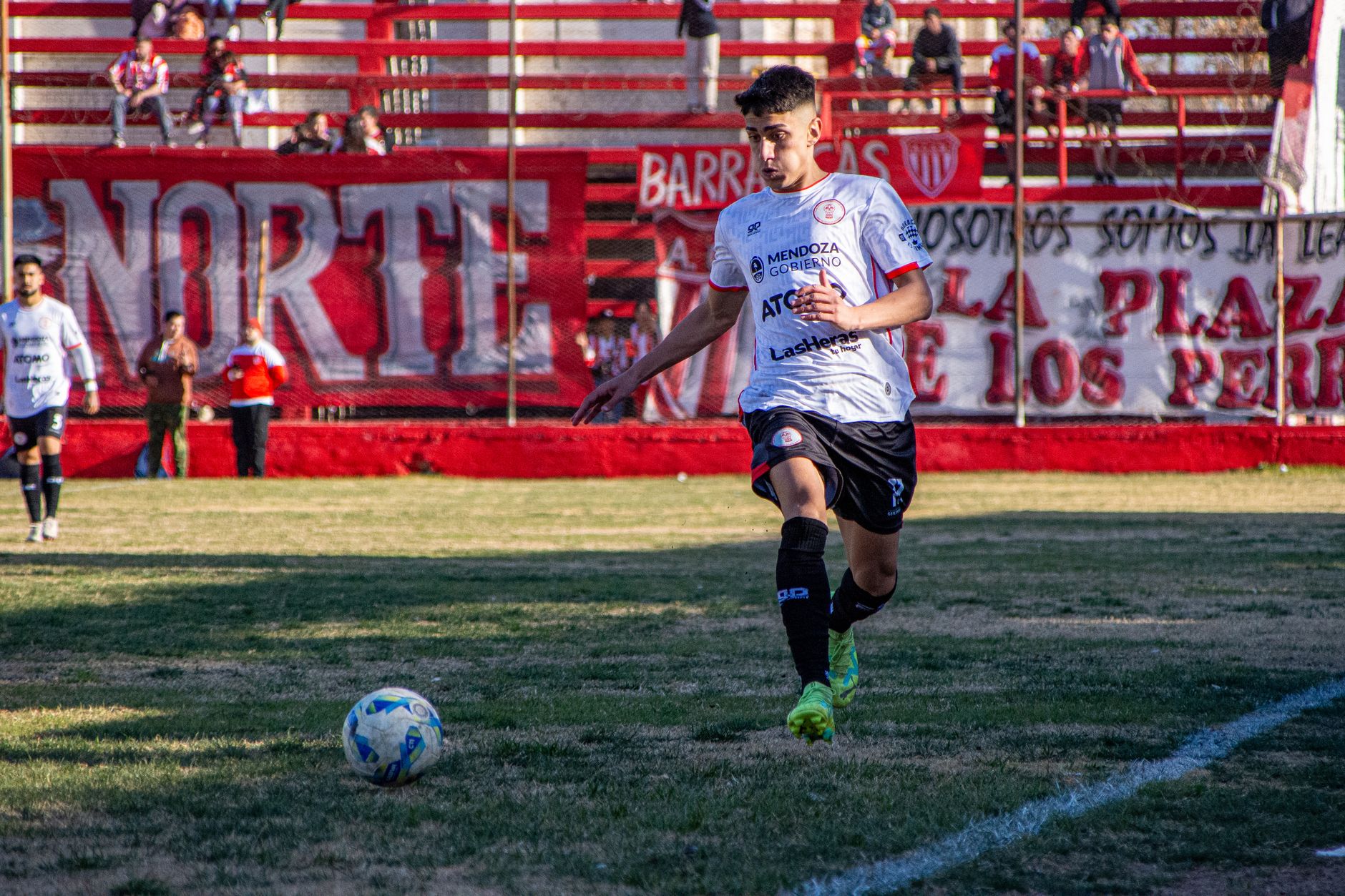
Elías Pereyra is a talented Argentine professional footballer who plays as a left-back. Having come through the youth ranks, Elías Pereyra has already showcased his defensive capabilities and promising attacking contributions on the field. He continues to develop his game, aiming to become a key player for his club and potentially on the international stage.
**From Headlines to Everyday Life: Practical Ways to Engage with Elías Pereyra's Enduring Influence** (Practical Tips: How can people apply lessons from his life? Common Question: What tangible changes came from his actions? Explainer: How his story continues to shape modern discussions)
Engaging with Elías Pereyra's enduring influence transcends mere historical study; it offers practical frameworks for contemporary challenges. Consider his unwavering commitment to innovation, even in the face of significant skepticism. We can apply this today by fostering environments that reward calculated risks and encourage out-of-the-box thinking, rather than penalizing failure. For instance, when tackling a complex project, ask: 'What would Pereyra have done to disrupt the status quo here?' His methods weren't about grand gestures alone, but about consistent, incremental improvements and a deep understanding of underlying principles. This translates into a powerful lesson for modern problem-solving: don't just address symptoms, but delve into the root causes with the same meticulous dedication Pereyra applied to his groundbreaking work. His life serves as a blueprint for cultivating resilience and a forward-thinking mindset in our own professional and personal endeavors.
The tangible changes stemming from Pereyra's actions are numerous and continue to reverberate through modern discussions, particularly concerning ethical leadership and sustainable development. His pioneering work in resource management, for example, laid the groundwork for many of today's ecological conservation efforts. We see his influence in policies promoting responsible land use and the integration of community welfare into large-scale industrial projects. Furthermore, his passionate advocacy for equitable distribution of resources directly informs contemporary debates on global inequality and social justice. His story is particularly potent in shaping discussions around the long-term impact of individual choices on collective well-being, serving as a powerful counter-narrative to purely profit-driven approaches. By studying how Pereyra successfully navigated complex ethical dilemmas, we gain valuable insights into building a more just and sustainable future.