Understanding the Importance of Home Ventilation: Key Factors for Optimal Comfort
Home ventilation is a critical component in maintaining optimal comfort within your living space. Proper airflow helps regulate indoor temperature, reducing the reliance on heating and cooling systems, which can lead to significant energy savings. Additionally, effective ventilation helps to prevent the buildup of humidity, mold, and indoor pollutants, ensuring a healthier environment for you and your family. Key factors to consider include air exchange rates, the quality of the filters used, and the design of the ventilation system in your home.
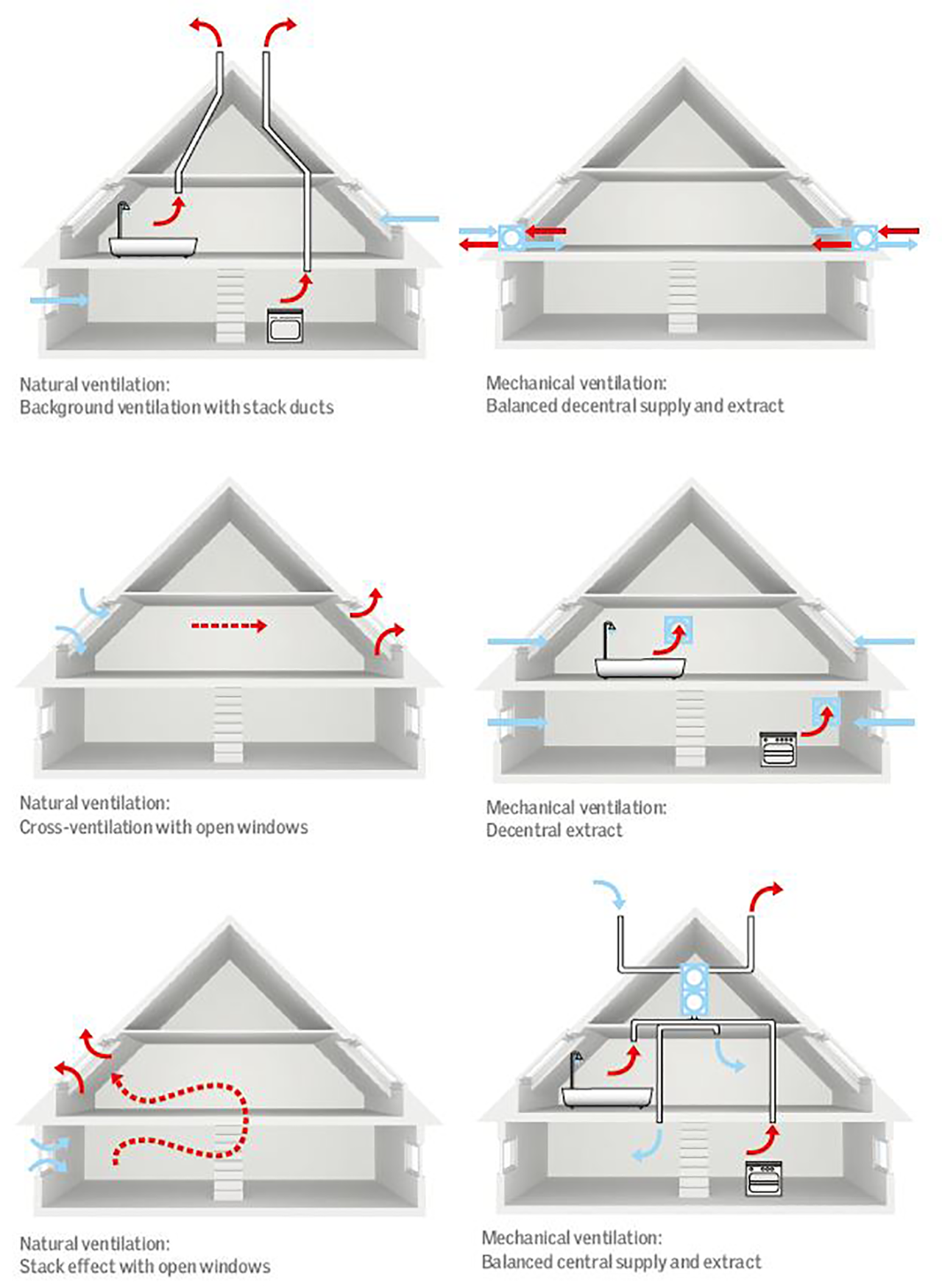
Another important aspect of home ventilation is how it contributes to indoor air quality. Stale air can be a breeding ground for allergens and irritants, which can exacerbate respiratory issues and lead to discomfort. It's essential to invest in a comprehensive ventilation strategy, such as natural ventilation, mechanical systems, or a combination of both. By ensuring that fresh air enters your home and stale air is expelled, you'll not only enhance your home's comfort but also create a healthier living environment.
Counter-Strike is a highly popular tactical first-person shooter that pits two teams against each other: the terrorists and the counter-terrorists. Players can engage in various game modes, where teamwork and strategy are essential for success. To enhance gameplay, consider exploring Top 10 Laptop Accessories to Prevent Overheating, which can improve your gaming experience on the go.
Top 5 Signs Your Home Needs Better Ventilation
Proper ventilation is crucial for maintaining a healthy indoor environment. Here are five signs your home needs better ventilation:
- Excess Humidity: If you notice condensation on windows, damp walls, or a musty smell, excess humidity could indicate inadequate airflow.
- Unpleasant Odors: Lingering odors from cooking, pets, or mold can be a sign that air isn’t circulating effectively in your home.
Temperature Imbalances: If some rooms feel stuffy while others are too cold, it may indicate a lack of proper ventilation.
- Mold Growth: The presence of mold or mildew is a serious red flag that your home is not ventilated well enough.
- Allergy Symptoms: Increased allergy symptoms or respiratory issues can be linked to poor air quality due to insufficient ventilation.
How Poor Air Circulation Affects Your Health and Comfort
Poor air circulation can have a significant impact on both your health and comfort. When air does not flow freely within a space, it can lead to the accumulation of allergens, dust, and other pollutants. These airborne particles can trigger various health issues, especially for individuals with respiratory conditions such as asthma or allergies. Improving air circulation not only helps in reducing these harmful particles but also promotes a healthier indoor environment, allowing you and your family to breathe easier and feel more comfortable.
Besides health effects, inadequate air circulation can also cause discomfort in your living space. Stagnant air often results in uneven temperature distribution, leading to hot and cold spots that can make it difficult to maintain a comfortable climate. In turn, this can affect your overall mood and energy levels. Ensuring proper air circulation through strategies like using fans, opening windows, or investing in quality HVAC systems can enhance your living experience, making your home a more pleasant sanctuary.