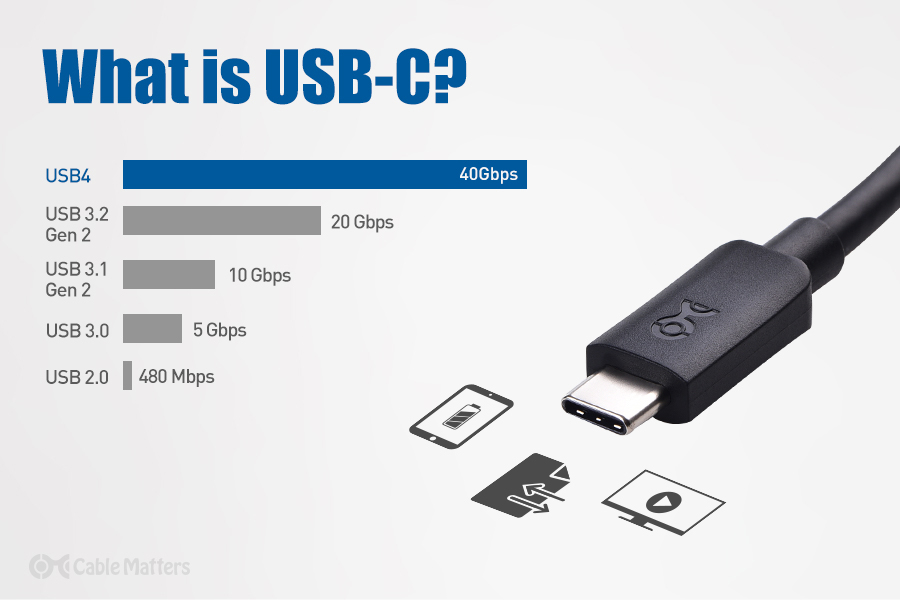
The Versatility of USB-C: How One Cable Connects All Your Devices
The advent of USB-C technology has revolutionized the way we connect and power our devices. Unlike its predecessors, USB-C offers a single connector that can handle various tasks, such as charging, data transfer, and video output. This multifaceted capability simplifies our tech-laden lives, minimizing the clutter of cables and making it easier to stay organized. With USB-C, you can streamline your office setup, as most modern devices—from laptops and smartphones to tablets and even some peripherals—utilize this versatile connector.
Moreover, the universal nature of USB-C means that you can enjoy enhanced compatibility across multiple platforms. For instance, whether you're connecting a MacBook to external displays or transferring files from an Android smartphone to a Windows PC, USB-C has got you covered. As more manufacturers adopt this standard, the possibilities are endless. In fact, a single USB-C cable can replace a myriad of cables in your electronic arsenal, making it an indispensable tool for both personal and professional use.
Counter-Strike is a highly popular tactical first-person shooter franchise that emphasizes teamwork and strategy. It pits teams of terrorists against counter-terrorists in various game modes that require precise shooting skills and effective communication. For players looking to level up their coding experience, check out the Top 10 Accessories for Coding with MacBook to enhance productivity and comfort while gaming or coding on a Mac.
Top 5 Features of USB-C That Make It a Must-Have
The emergence of USB-C technology has transformed the way we connect and charge our devices. Here are the top five features of USB-C that make it an absolutely must-have:
- Universal Compatibility: USB-C cables and ports are designed to be universal, meaning they can connect to a wide range of devices from laptops and smartphones to tablets and even cameras. This feature eliminates the need for multiple cables and adapters, simplifying your tech ecosystem.
- Fast Data Transfer: With capabilities of up to 40 Gbps, USB-C supports lightning-fast data transfer speeds. This means you can transfer large files and backups in less time, making it ideal for professionals who rely on quick data handling.
Aside from its versatility and speed, USB-C offers other compelling features:
- Power Delivery: USB-C supports Power Delivery (PD) technology, allowing it to deliver up to 100 watts of power. This feature means that not only can you charge smartphones, but you can also power larger devices like laptops with the same cable.
- Reversible Design: One of the most user-friendly aspects of USB-C is its reversible connector. No more fumbling with a cable trying to plug it in the right way—USB-C can be inserted in any orientation, enhancing the overall user experience.
- Future-Proofing: As technology evolves, so do connection standards. USB-C is poised to dominate the market with its increasing adoption across new devices, making it a smart investment for anyone looking to stay up-to-date in the tech world.
Is USB-C the Future of Connectivity? Exploring Its Advantages and Benefits
The emergence of USB-C has revolutionized the way we connect our devices, providing a universal solution that is both versatile and efficient. Unlike its predecessors, USB-C is designed to offer higher power delivery and faster data transmission rates, making it ideal for a wide range of applications. With its reversible connector, users no longer have to worry about which way to plug it in. This simplicity and ease of use are among the key advantages of adopting USB-C, as it reduces frustration and enhances the overall user experience.
Additionally, the benefits of USB-C extend beyond just convenience. It supports various protocols, including Thunderbolt 3 and DisplayPort, enabling users to connect multiple devices with greater efficiency. This is particularly advantageous for professionals who rely on seamless connectivity for their workflows. In summary, as more devices and peripherals adopt USB-C technology, it is clear that USB-C is the future of connectivity, providing a scalable and future-proof solution for all our connectivity needs.